Travel Trends
Coolcationing 2026: Cool Destinations to Escape the Heat
July 10, 2026 · VayCando · 5min read
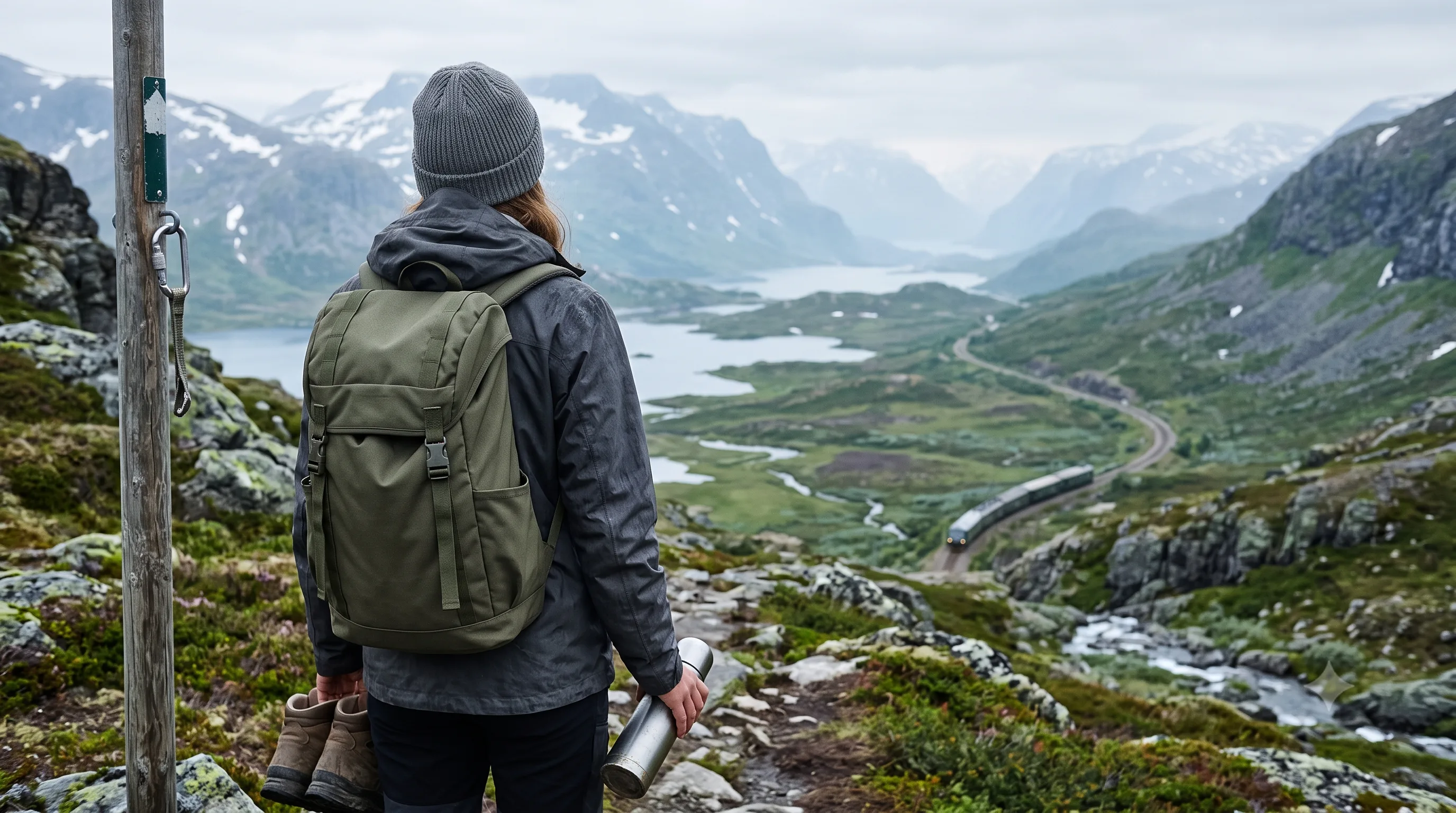
When did you last lie on a beach and feel not rested but simply desperate for shade? Across much of Southern Europe, high summer is no longer a pleasure for many people but a strain. This is exactly where coolcationing comes in: the deliberate swap of the hot classics for cooler destinations – often greener, quieter and, if you plan it well, far more relaxing to reach. For sustainability-minded travellers from Central Europe, it isn’t a sacrifice but an invitation to experience summer more slowly and more comfortably.
A quick word on accuracy: The temperatures in this article are rough ranges for high summer (July/August), gathered from travel-climate portals. They vary by several degrees depending on the source and the year and are not official climate normals. Reconfirm a reliable weather source for your exact dates and location. The rail connections described here also change seasonally – in 2026 several night-train routes see operator changes, so only book after a live check of the current timetables.
What coolcationing means
Coolcationing describes taking a holiday in cooler climates during the warm months – instead of the classic summer hotspots. The idea is unspectacular, and that is precisely why it works: at a pleasant 15 to 22 degrees you can hike, explore cities and sit outside without dreading the midday heat. On top of that, cooler regions are often less crowded in summer than the Mediterranean coasts.
There is a sober reason the trend is gaining momentum now. According to the European climate service Copernicus (C3S), in Europe the summer of 2025 was the fourth warmest on record (globally it ranked third), with several pronounced heatwaves in Southwestern Europe; in August, 40 degrees were widely recorded across the Iberian Peninsula and up to 45 degrees locally. Tour operators report a noticeable shift in demand towards cooler destinations such as Iceland, Scandinavia and the Baltics. Coolcationing is therefore less a marketing label than a logical response to real summers.
Cool destinations for summer by rail – from easy to demanding
Not every cool destination is equally easy to reach without flying. So we sort by how much effort the journey takes, because for slow travellers that is exactly where the decisive difference lies.
The most straightforward: the high Alps
If you want cool air and still a relaxed rail journey, the Swiss and Austrian high Alps are the obvious answer. In Davos, for example, July highs sit around 17 degrees during the day, and the nights stay markedly cooler. The whole trip works end to end via DB, ÖBB and SBB – no ferry, no flight.
The honest catch: altitude means frequent afternoon thunderstorms and cold nights. If you head into the mountains in July, budget for rainy days and pack warm clothing.
Scandinavia by rail
Sweden is almost ideal for coolcationing: in Stockholm, July highs average around 22 degrees, and there are night-train services heading north from Berlin or Hamburg. This is where the live check matters most, because operators change on this route in 2026 – the familiar daily connection is not guaranteed.
Things get noticeably cooler and more dramatic on the Norwegian fjords. In Bergen, summer highs mostly stay between 16 and 19 degrees. The journey is possible by rail but comes in stages: via Malmö and Oslo to the Bergen Railway. The catch is twofold – Bergen is one of the rainiest cities in Europe, and the total travel time is long. For us, it is a destination for those who see the journey as part of the trip rather than a tiresome distance.
Further afield, but rewarding – with caveats
Scotland and the Highlands offer pleasant cool at around 17 to 19 degrees in summer, plus rugged landscape. Reaching it without flying is doable but roundabout: via Brussels and London, then onward north, partly on the Caledonian Sleeper. Those who don’t mind the change in London are rewarded – but this is not a route to approach without a plan.
Iceland is the aspirational destination of this trend, with July highs often only 13 to 16 degrees. In fairness, though, it belongs here with an asterisk: there is no climate-friendly rail option, so realistically it means flying. Anyone travelling to Iceland should weigh that deliberately and plan the trip to be longer and less frequent.
Slovenia around Bled and the Baltics with Tallinn also appear on many coolcation lists. Both are appealing, but only cool up to a point: during heatwaves temperatures climb above 25 degrees there too, and rail access to the Baltics – until the new Rail Baltica line is fully complete – is still noticeably awkward.
In our view: the real trade-off
Take coolcationing seriously and you soon hit a trade-off: the coolest destinations – Iceland, the Lofoten Islands, northern Norway – are also the hardest to reach in a climate-friendly way. The destinations that are most convenient by rail – the Alps, Sweden – are milder, but not Arctic.
For most travellers from Central Europe, that is the decisive planning question. If you’re after genuine cool and raw nature and will accept a long, infrequent journey for it, the far north is right for you. If you simply want to escape the heat while travelling sustainably, the high Alps or southern Sweden are often the better call – closer, more relaxed and more honest ecologically.
In short
Coolcationing is not a passing fad but a logical answer to ever-hotter summers. Its finest form combines two things: a destination that stays comfortably cool in high summer, and a journey you can manage without flying and without rushing. Check the temperatures for your dates, verify the current rail connections – and plan the journey in as the first, unhurried part of the holiday.